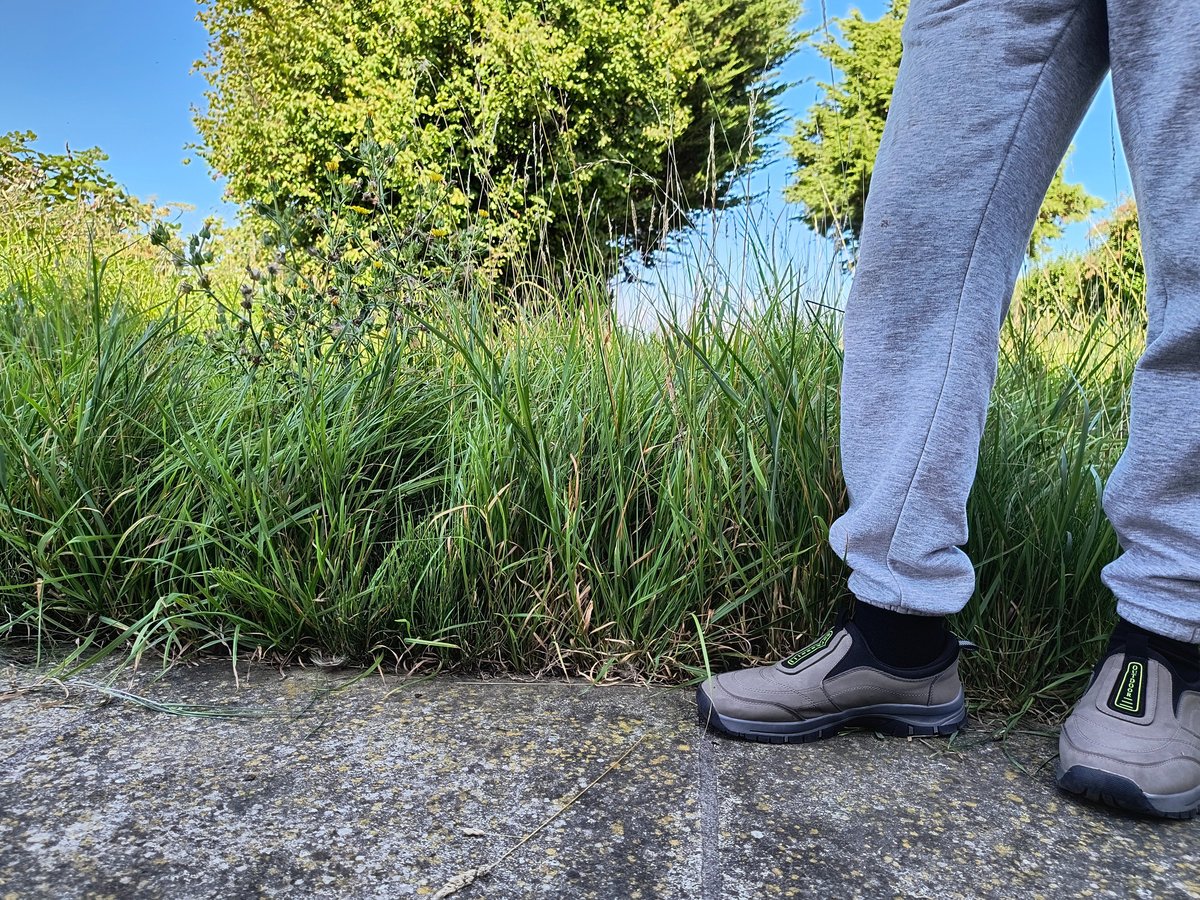
Overseeding means spreading grass seed across an existing lawn to fill bare patches, thicken thin areas, or introduce a better grass variety without digging the whole thing up. Done at the right time with the right preparation, it is one of the most effective things you can do for a tired lawn.
Autumn overseeding: the reliable option
For most Kent lawns, late August to mid-October is the best window to overseed. Three things line up in autumn that you cannot replicate at any other time of year:
- Warm soil. The ground has been absorbing heat since April. Even when air temperatures drop in September, soil temperature in Kent often stays above 10°C well into October, and grass seed germinates at its best above 8 to 10°C.
- Natural rainfall. Germinating seed must not dry out. In autumn, Kent's rainfall does most of the watering for you, which matters on larger lawns or when daily watering is not practical.
- Growing time before winter. Seed sown in September has six to eight weeks to establish before growth really slows. By the time hard frosts arrive, the new grass has enough root depth to survive.
The one thing that stops autumn overseeding working
Scarifying or aerating too late in the season means you disturb the lawn just as it is trying to harden off for winter. If you are scarifying before overseeding, do it in late August or early September, not October. Seed sown after mid-October in Kent may germinate but will not establish well before the cold sets in.
Spring overseeding: the second choice
If you missed the autumn window, April to May is the next viable option. Spring soil temperatures rise enough for germination from mid-April in most of Kent, and the longer days help establishment.
The downsides compared to autumn:
- Drier conditions. East Kent can have noticeably dry springs. If April turns dry, you may need to water daily or even twice daily for two to three weeks during germination, and missing even two or three days can kill a seedling before it is established.
- Competition from weeds. Weed seeds germinate freely in spring alongside the grass. Autumn is much quieter for weeds.
- Less time to establish before the summer heat. A lawn overseeded in late April may be in good condition by June, but a dry July can stress young grass before it has developed deep roots.
Spring overseeding works well for small, localised patches, particularly if you can water them easily. For larger, whole-lawn renovation, autumn is the more reliable choice.
Which one is right for your lawn?
A quick way to decide:
- Autumn if you are overseeding a large area, if your soil is prone to drying out, if there is heavy moss or thatch that needs dealing with first, or if you simply want the best odds of success.
- Spring if the bare patches appeared over winter and you want them sorted before summer, or if you missed the autumn window and cannot wait another year.
- Either for small patches on a well-irrigated lawn, though autumn still gives the edge.
How to overseed: the steps that make the difference
1. Mow short and rake out thatch
Cut the existing grass a notch shorter than usual (not scalped, just lower). Rake out any dead thatch and moss so the seed can reach the soil surface. Seed sitting on top of a mat of dead material rarely germinates well.
2. Scratch the surface
Go over the area with a spring-tine rake or a mechanical scarifier set shallow. You want the very top of the soil loosened, not deep cultivation. Seed needs contact with moist soil to germinate; a roughed-up surface holds it in place and keeps it from washing away in heavy rain.
3. Apply seed at the overseeding rate
The packet will give two rates: a higher one for bare ground, a lower one for overseeding into existing grass. Use the lower rate, roughly 25 to 35 grams per square metre. Spreading too thickly creates competition between seedlings and wastes seed. A hand spreader or a rotary spreader on a low setting gives the most even coverage.
4. Keep moist until established
Water gently and evenly for the first two to three weeks. In autumn, Kent rainfall usually handles this; in spring, check the surface regularly. The top centimetre of soil should never be completely dry during germination. A fine spray attachment on a hose is better than a strong jet that moves the seed around.
5. First mow with care
Hold off mowing until the new grass reaches about 5 to 6 cm. Then take only the tops off on the highest blade setting. Cutting too soon pulls seedlings out by their shallow roots. Two or three gentle cuts later the grass can be brought back to a normal cutting height.
Grass seed for Kent gardens
A ryegrass and fescue blend suits most Kent lawns. Ryegrass establishes quickly and stands up well to foot traffic; fescue handles drier summers. For shaded gardens, particularly those under large trees in village gardens in Ash or Woodnesborough, a shade-tolerant mix with a higher proportion of fine fescue is worth the extra cost.
Avoid cheap single-variety mixes. A blend designed for the UK climate gives a more even finish and performs better across the range of conditions Kent gardens see in a year.
Useful video: The Ultimate Guide to OVERSEED your LAWN by Garden Lawncare Guy (UK lawn care channel).
Before you start
- Check the forecast: avoid sowing just before a period of heavy rain (which washes seed into clumps) or a known dry spell (in spring).
- Keep children and pets off the freshly seeded area for at least three to four weeks.
- Do not apply a standard lawn feed immediately after overseeding: wait until the new grass has been cut at least twice before feeding.
- If you are treating the lawn for moss or weeds at the same time, treat first and wait two to four weeks before overseeding, so the chemicals do not affect germination.
Prefer we handle it?
We can prepare the ground, apply the seed and give you a schedule for aftercare across Sandwich, Deal, Worth, Ash, Woodnesborough, Eastry and Sandwich Bay. Get in touch and we'll take a look at what your lawn needs.